Replace five menus with one formula
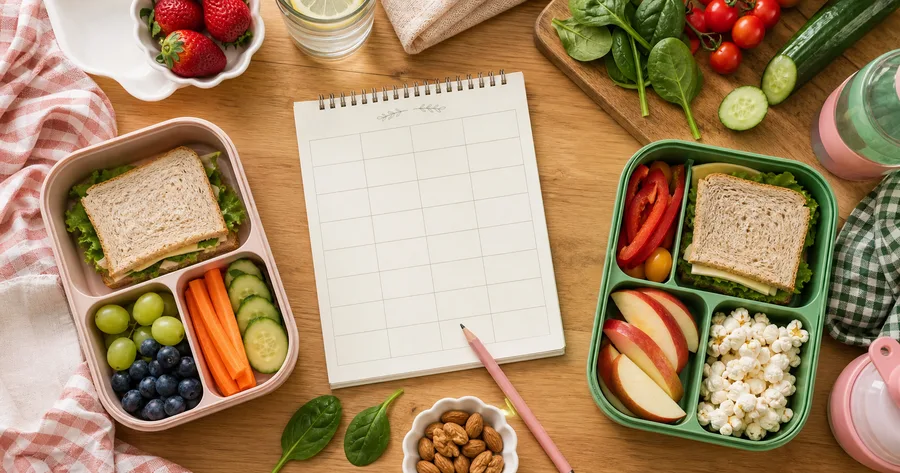
Planning five different lunches creates too many decisions. A repeatable formula is simpler: one main item, one fruit or vegetable, one filling snack and one small extra. The structure stays stable while the contents change with leftovers and weekly deals.
The main can be a sandwich, wrap, pasta salad or rice bowl. Add foods that are easy to portion: apples, grapes, cucumber, carrots, yogurt, cheese, homemade muffins or roasted chickpeas.
Make dinner work for tomorrow
The fastest lunch is often a portion planned the night before. When chili, roast chicken, meatballs or couscous salad is on the menu, increase the quantity slightly. Put the lunch portion in its container before serving dinner so it does not disappear as a second helping.
- Monday: chicken wrap and raw vegetables.
- Tuesday: pasta salad with white beans.
- Wednesday: leftover chili with bread.
- Thursday: egg sandwich and crunchy vegetables.
- Friday: a clear-the-fridge box made of small portions.
Prepare the right steps, not the entire meal
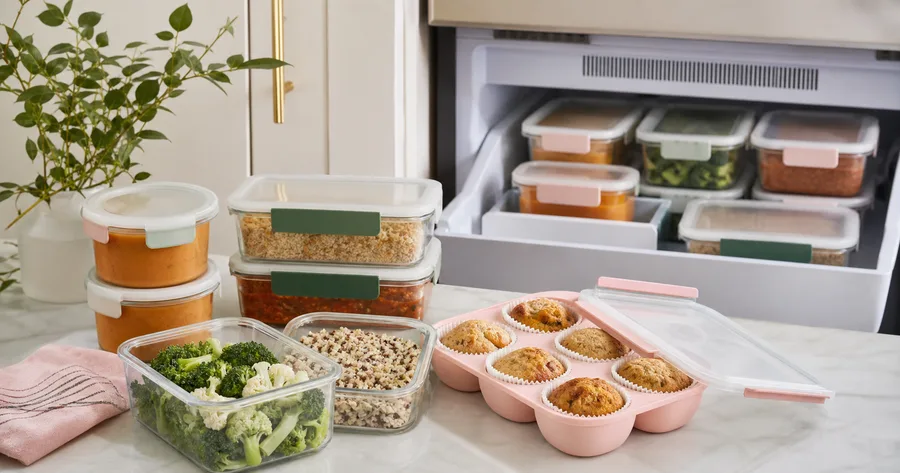
On Sunday, wash fruit, cut two sturdy vegetables and make one snack. Keep bread, wet fillings and crunchy foods separate until the evening before. Ten minutes each night usually produces a better lunch than a long assembly line five days in advance.
An effective lunch routine reduces decisions without making meals repetitive.
Create a small lunch zone in the fridge and pantry. When containers, snacks and fruit are grouped together, more independent children can participate.
Keep a backup combination
One evening will be too busy. Keep a complete option that does not depend on leftovers: bread in the freezer, a spread, unsweetened fruit sauce and sturdy raw vegetables. This backup prevents a last-minute purchase and protects the week's plan.
In Karro, start by choosing dinners that make useful leftovers, then add lunch products to the same list. You can see ingredient overlap before shopping and buy quantities that match the actual week.
Adjust after a real week
At the end of the week, note what came home untouched and what ran out. Reduce ignored portions, keep the two popular snacks and change only one element at a time. A good back-to-school routine does not come from a perfect menu. It grows from what people actually eat.