Compare the same thing
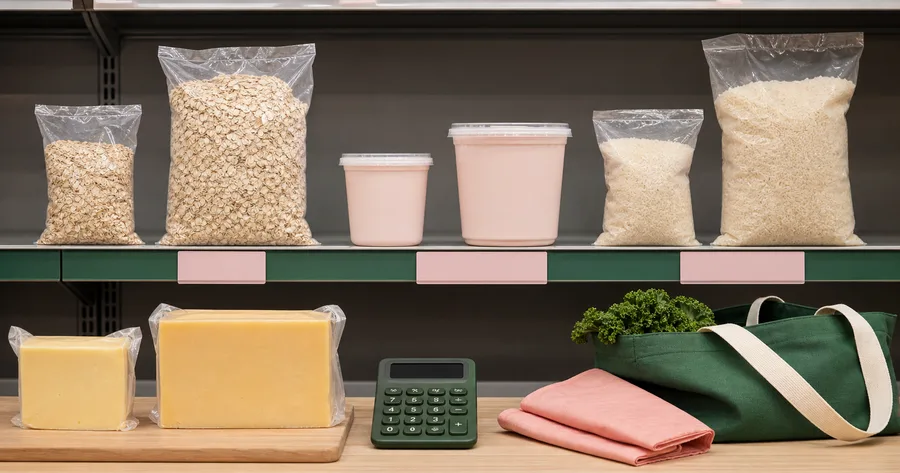
The unit price reduces different formats to a common base, often 100 grams, 100 millilitres or one item. It quickly shows whether the large container is genuinely cheaper than the small one. Make sure the products are comparable: drained weight, concentration and number of servings can change the result.
To calculate it yourself, divide the price by the quantity, then multiply for the desired unit. A 750 g package at $6, for example, costs $0.80 per 100 g.
Include promotions
A discount, points offer or multi-buy can change the calculation. Use only the quantity you must actually purchase. A two-for price is useful only when both products will be eaten and the offer truly requires buying more than one.
- Compare the price after the discount.
- Check the exact quantity in each format.
- Look at the store brand's unit price.
- Account for the portion likely to be wasted.
The lowest unit price is not always the best choice
A large tub of yogurt may win on unit price and lose when half is discarded. A concentrated product can look expensive by weight while providing more servings. Unit price informs the decision; it does not replace your menu, storage and habits.
The best comparison combines price per unit with the real likelihood that you will use the product.
Focus on categories worth comparing
There is no need to use a calculator for every item. Focus on frequent or expensive purchases: cheese, meat, cereal, coffee, yogurt, household products and snacks. A few decisions repeated every week matter more than a long occasional analysis.
Karro compares local prices for the ingredients in your recipes. You can begin with the meal you want, then see where the matching basket offers the best value.
Build three personal reference prices
Remember the usual price of three products you buy often. These anchors help you recognize a real sale without studying the entire shelf. Add one or two products over time. A useful comparison should speed up the grocery trip, not turn it into an exam.