Freeze solutions, not intentions
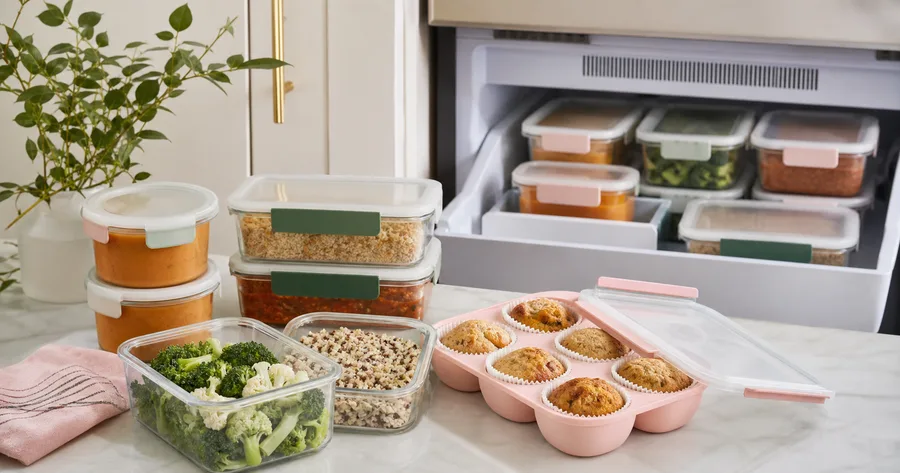
A mystery container at the back of the freezer does not help with planning. To be useful, every portion should answer three questions: what is it, how many people does it serve and when was it frozen? A short label is enough.
Freeze the quantities you actually serve. Soup for two, sauce for one dinner or an individual portion of chili is easier to thaw than one enormous container.
The four most useful reserves
- Complete meals: chili, curry, hearty soup and lasagna.
- Components: cooked rice, tomato sauce, shredded chicken and legumes.
- Backups: sliced bread, muffins and tortillas.
- Foods to rescue: bananas, herbs turned into pesto and blanched vegetables.
Components often provide the most flexibility. Tomato sauce can become pasta, shakshuka or a soup base depending on what is left in the fridge.
Take inventory before planning
Once a week, open the freezer before choosing meals. Select one portion to use and place it in the plan. This small ritual creates natural rotation and frees space.
An economical freezer is a pantry in motion, not an archive.
Keep a simple list on the door or on your phone. Remove portions when you plan them, not after eating them.
Cool, pack and thaw safely
Cool hot food safely, use appropriate containers and leave room in containers holding liquids. Thaw in the refrigerator when possible. Follow Health Canada's safe food storage recommendations.
Karro lets you use a freezer meal as the week's flexible evening, then plan any side dishes it needs. The grocery list stays short and the frozen meal gets a real exit date.
Start small
Do not try to fill the freezer in one day. Double one freezer-friendly recipe each week and use one older portion. After a few cycles, you will have a varied reserve without an exhausting cooking session or forgotten food.