Make space before filling it
A useful reserve begins with an inventory. Take out open products, check dates and group duplicates. Move foods that need using to the front. This step often reveals several meals already available and prevents buying another can while three wait at the back.
Choose bases that work together
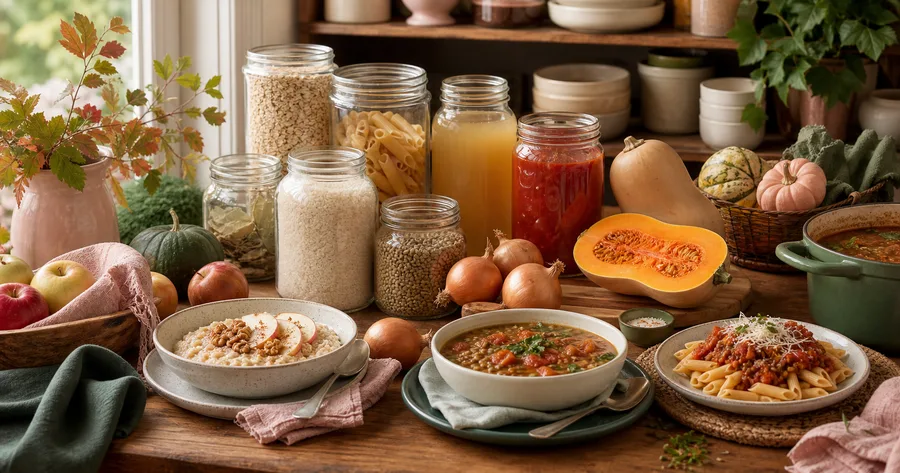
A small versatile reserve is enough:
- Rice, pasta, couscous and rolled oats.
- Lentils, chickpeas and beans.
- Canned tomatoes, broth and coconut milk.
- Onions, garlic, potatoes and squash.
- Frozen vegetables, bread and a few portions of protein.
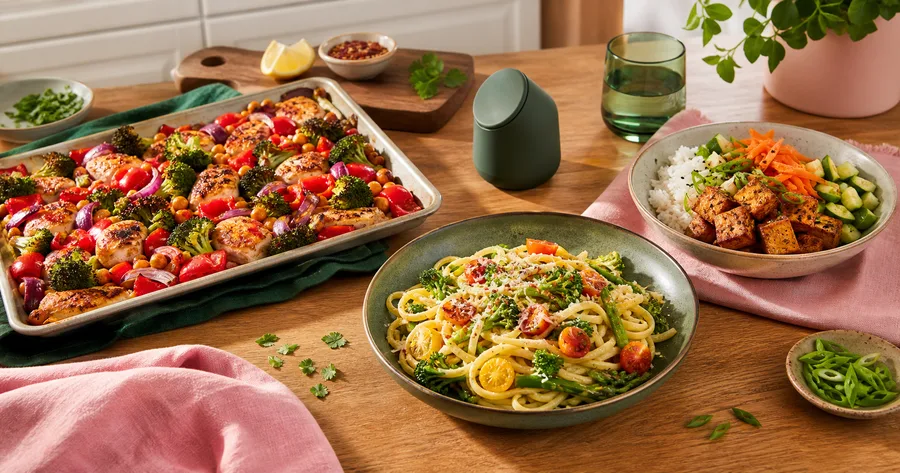
With spices and two favourite sauces, these foods become soup, curry, bowls, pasta, chili or breakfast.
Give every purchase a job
Avoid products bought for one hypothetical recipe. Before adding a can or grain, name two uses. Lentils support soup and sauce. Tomatoes become pasta and chili. Oats cover breakfast and muffins.
A prepared pantry reduces decisions; it does not increase the number of products to manage.
Plan the fresh foods that connect everything
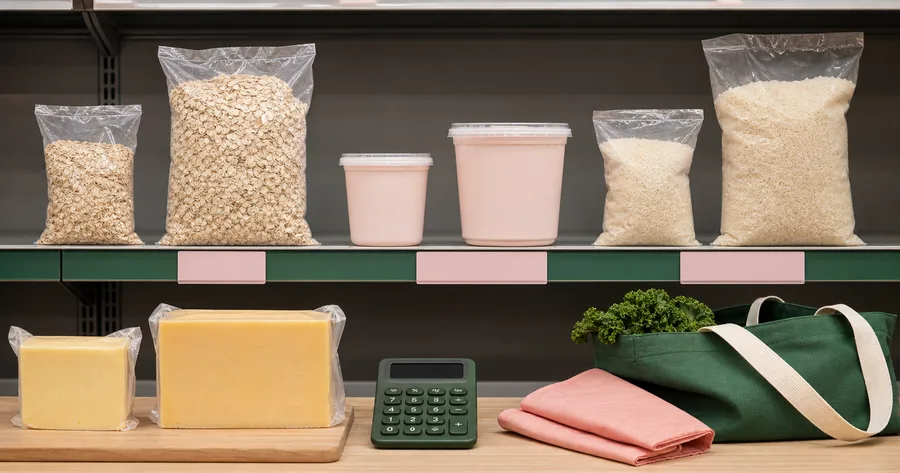
The pantry does not replace fresh food. Each week, choose a few products that complete several bases: eggs, yogurt, cheese, cabbage, carrots, apples and herbs. They add texture and freshness without creating an endless list.
In Karro, select recipes that share these foods and let the list calculate what you need. The pantry provides stability; local prices and fresh products provide variety.
Create an autumn rotation
Plan one pantry meal every week: lentil soup, tomato pasta, chickpea curry or a rice bowl. Then replace only what you used. This rotation keeps supplies visible, leaves more of the budget for fresh foods and turns the pantry into an everyday tool rather than a collection of just-in-case purchases.