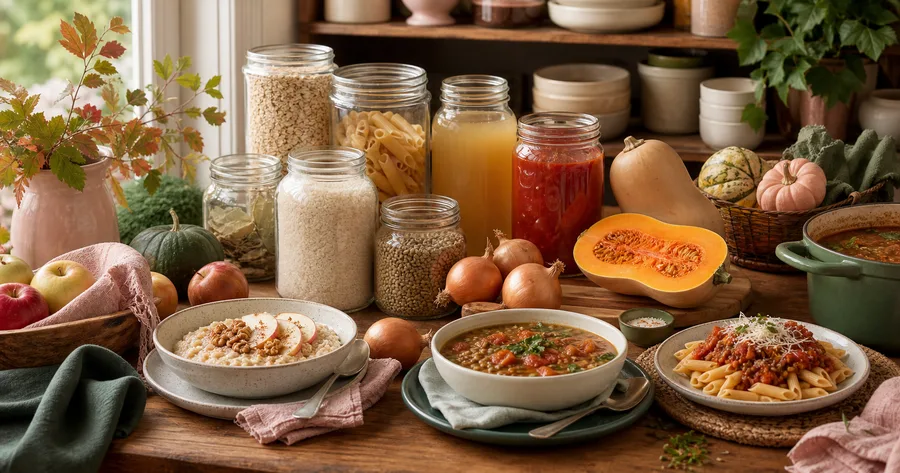
Start with the basket, not the perfect recipe
Most meal plans start with a craving: tacos on Tuesday, pasta on Thursday, rice bowls on Friday. In Montreal, a more useful approach is to start with the real basket: what is well priced, what keeps well, what can work across two meals and what prevents a second grocery run.
The context makes that discipline more important. Canada's Food Price Report 2026 forecasts overall food prices rising by 4% to 6%. In Montreal, that pressure still shows up in the repeated decisions that shape the week for a household.
The three-pass method
Start by choosing two proteins or main bases, such as chicken, tofu, lentils, eggs or ground beef. Then add three fruits or vegetables that can work across breakfast, lunch and dinner. Finish with pantry formats that complete several recipes: rice, pasta, tortillas, yogurt, bread, canned tomatoes or broth.
- An expensive ingredient should serve more than one meal.
- A fragile product needs a clear destination.
- A tempting deal only helps if it fits your actual week.
- A short list is often more useful than an ambitious one.
That turns groceries into a system. You are not chasing the lowest possible price on every product. You are building a coherent basket that reduces impulse buys and forgotten food.
Use local prices without getting lost
Prices change by banner, neighbourhood and week. Local trackers such as eezly show that meaningful gaps can appear between fresh products, formats and Montreal stores. The goal is not to run to four grocery stores. The goal is to choose one main store and identify only the exceptions worth a detour.
A good meal plan does not maximize every discount. It turns good prices into dinners you can actually make.
Karro is built for this situation: start from available products, keep the budget visible, suggest recipes that respect your habits and organize the choices in an adjustable weekly meal plan before producing the list.
A simple week example
Imagine eggs, peppers, canned tomatoes and rice are attractive this week. You can build around a quick shakshuka, egg fried rice, vegetable rice bowls and lunches using leftovers. The same basket covers several moments without multiplying one-off ingredients.
Next time you scan flyers, ask this: which three products can become four meals? That is often the difference between reactive grocery shopping and a week that is genuinely planned.